


THE BERBER OF THE ANTI-ATLAS AND THE NOMADS OF THE DESERT (Géoparc Jbel Bani)
Agadir – Taroudannt
Arrival at Agadir Airport – we go directly to Taroudannt where we can visit the old Medina and the city walls of this ancient town. Over-night stay in a traditional and comfortable Riad in the Median of Taroudannt.
Taliouine – Agdz

Crossing the Anti-Atlas we make a stop-over in Taliouine. This small city is famous for its plantations of safran and the Berber carpets. Our tour is long on that day, so we head further to the Drâa Valley and its small city Agdz where we spend the night in an old Kasbah of a former Caid. Next day we visit the old Kasbah to see more of the ancient, traditional Architecture of the Berbers of the region.
Valley of Drâa – Tamnougalte

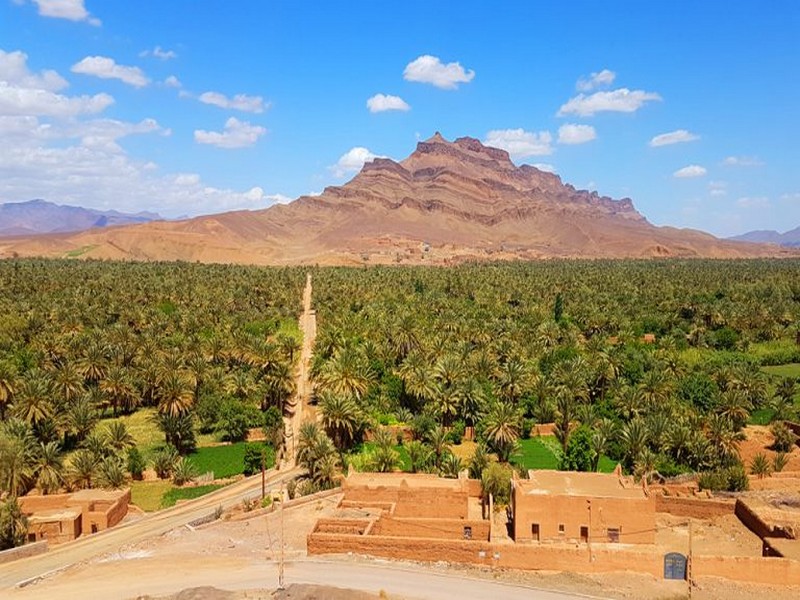
The following day we spend in the Drâa Valley, following hidden off-road paths nearby the river to enter into the life of the Berber habitants. The palm oasis and its fields can be discovered as well by walking and we have an opportunity to swim in a natural bassin of the river Drâa. We participate at the rural life of the villages and visit the old Kasbah in Tamnougalte. Over-night stay in a Kasbah hotel.
Tamegroute – M’hamid
Our next stop is in Tamegroute where we take a look at the library of the ancient of the religious leaders. We also watch the traditional way of making pottery; Tamegroute is famous for both of it. After we can relax and have lunch at our friends home before we drive on to M’hamid. Over-night stay in a comfortable, traditional hotel.
M’hamid – Erg Chegaga

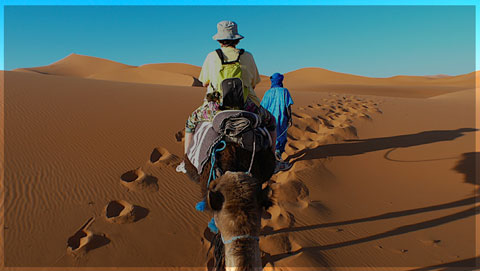
Today’s destination is the dunes of Chegaga. Our path leads off-road through the stone desert to Erg Chegaga. We pass the Oasis Sacrée where we prepare a barbecue. After arrival at the camp we start a three days trekking in the dunes with the dromedaries. The next days we trek along the dunes in solitude and silence. For our physical well-being our team is doing all the best: they cook our meals and built up tents for the nights – and the native nomads are used to make music with their instruments, mostly drums, and we can follow their strains. Sleeping in the sand dunes under a sky of stars or in the tents.
Foum Zguid
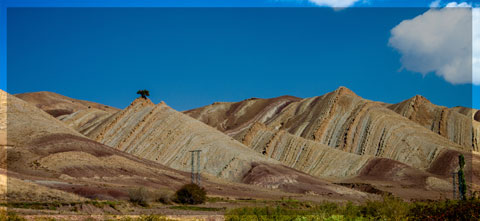
The next morning after breakfast we drive on off-road to Foum Zguid which is a village in a lorn swath of land with its bizarre formations of ridges in the Anti-Atlas. A nice Kasbah hotel for our over-night stay is awaiting us with a swimming-pool to enjoy and relax.
Tata – Tafraoute

Our travel goes on through this amazing and weird landscape of the Anti-Atlas, wonderful and breathtaking. In the afternoon we arrive in Tafraoute and the Valley of Ammeln, a valley with its almonds blossom in springtime. Here we stay two nights, visiting the Maison Traditionelle to understand the way of living of the Berber in this region and hiking a day through the Valley of Ammeln. If a hike is not possible we do an excursion to the nearby plateau of Ait Mansour with its amazing views and the beautiful village in a gorge. Over-night stays in a charming Kasbah hotel in Tafraoute.
Amtoudi

The following day we enter deeper into the region and the life of its habitants. We cross a wonderful gorge next to Ighmir and drive on to Amtoudi where we stay over-night with a Berber family. This place offers many specifics as an awesome hike through a river gorge up to a swimming bassin and a climb up to an old agadir which is nearby on top of a hill. This area always provides fresh air because of being located in a river valley.
Guelmim – Mirleft

Before departure we visit the engravings of our ancestors in this area – and we can find a lot of. After our discoveries we drive on to Guelmim where we can see the Blue Men of a nomadic tribe of the region or a dromedary race. Passing Sidi Ifni we arrive in the afternoon at Mirleft where we check in our hotel. For sunset we head to Leghzira Beach with its fabulous sandstone arcs. A fresh caught fish at a beach restaurant will be our dinner for tonight.
Agadir
We spend our last two nights in an eco-lodge on a hill behind the city. A cooking-class or a Tadelakt workshop is awaiting us – combined with perfect food, wonderful nature and a swimming-pool to relax or a getaway to the beach life. But now it’s time to say good-bye to our hosts and take our flights back home.
Source web Par : ethnotours-morocco
Les articles en relation
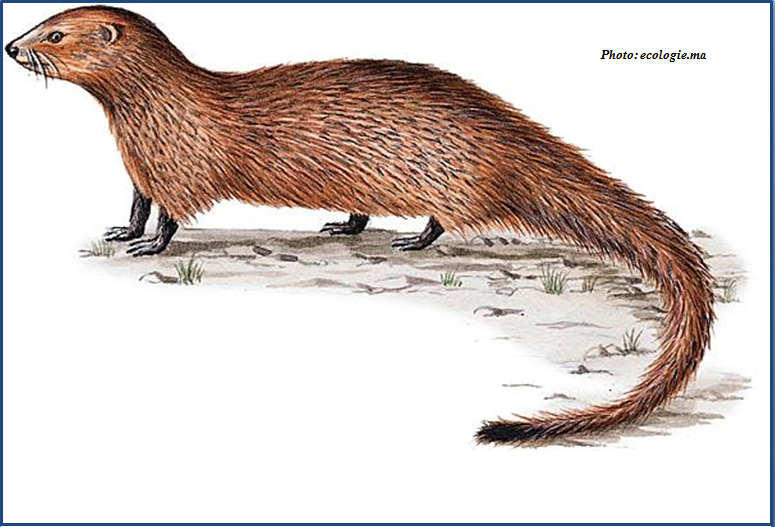
La mangouste Ichneumon (نمس)
La mangouste Ichneumon (نمس) Le rat des pharaons (Herpestes ichneumon en latin, نمس en Darija ), mangouste d’Égypte ou mangouste ichneumon est une espèce de petit mammifère carnivore, qui depuis touj
Savoir plus...
Le Jbel Saghro
Le Jbel Saghro est un petit massif qui se trouve au sud de la Vallée du Dadès. Il s‘étend d’Ouest en Est sur 120 Km environ le long de la vallée entre Skoura et Tinerhir. Cette zone constitue la t
Savoir plus...
La superbe palmeraie de Tioute, un véritable havre de paix (Géoparc Jbel Bani)
La superbe palmeraie de Tioute, un véritable havre de paix (Géoparc Jbel Bani) Après la visite de Taroudant, nous sommes allés nous promener dans la superbe palmeraie de Tioute située à seule
Savoir plus...
L’architecte Salima Naji à l’honneur
L’architecte Salima Naji à l’honneur Le très prestigieux Aga Khan Award for Architecture vient de sélectionner le programme de préservation des architectures oasiennes de la région de Gu
Savoir plus...
La Kasbah de Tazka à Tafraout inscrite sur la liste du patrimoine culturel national (Géoparc Jbel Bani)
La Kasbah de Tazka à Tafraout inscrite sur la liste du patrimoine culturel national (Géoparc Jbel Bani) La Kasbah de Tazka (Toughanj) à Tafraout, province de Tiznit (Anti-Atlas), a été inscrite sur
Savoir plus...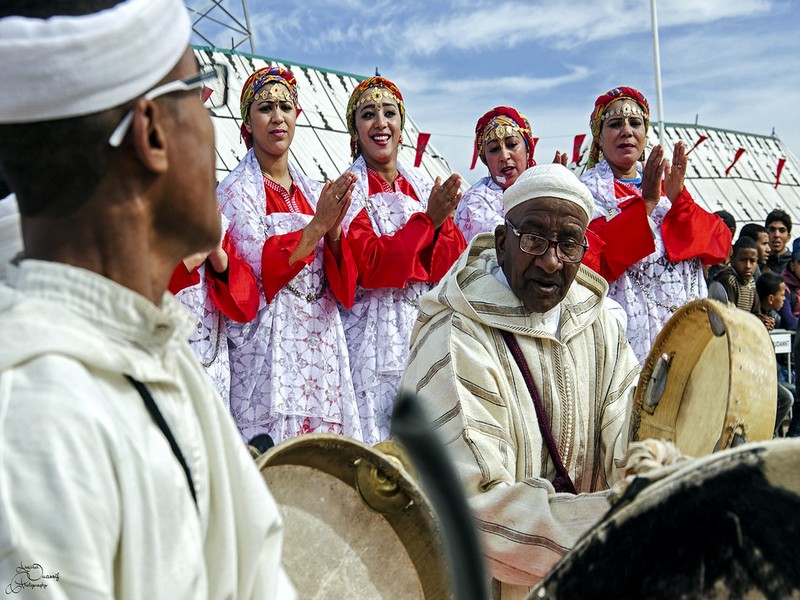
La danse Ahwach (Géoparc Jbel Bani)
La danse Ahwach (Géoparc Jbel Bani) L'Ahwach (ou ahwash) est une danse berbère répandue dans le Haut-Atlas et l'Anti-Atlas. Pratiquée durant les célébrations, cette danse varié
Savoir plus...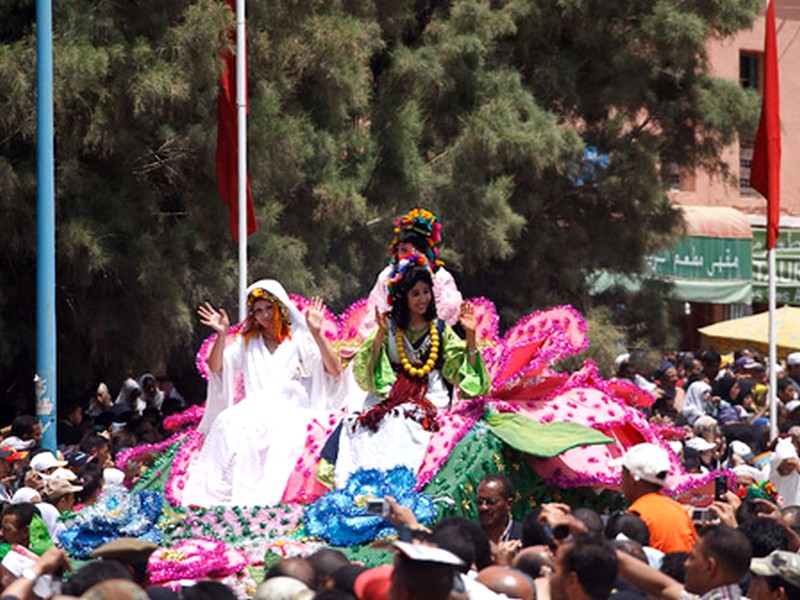
Le Moussem des Roses près de Ouarzazate à la mi-mai (Géoparc Jbel Bani)
Le Moussem des Roses près de Ouarzazate à la mi-mai (Géoparc Jbel Bani) Le Moussem des roses, qui a lieu à Kelaat M'Gouna, est quant à lui une célébration de la nature qui prodigue
Savoir plus...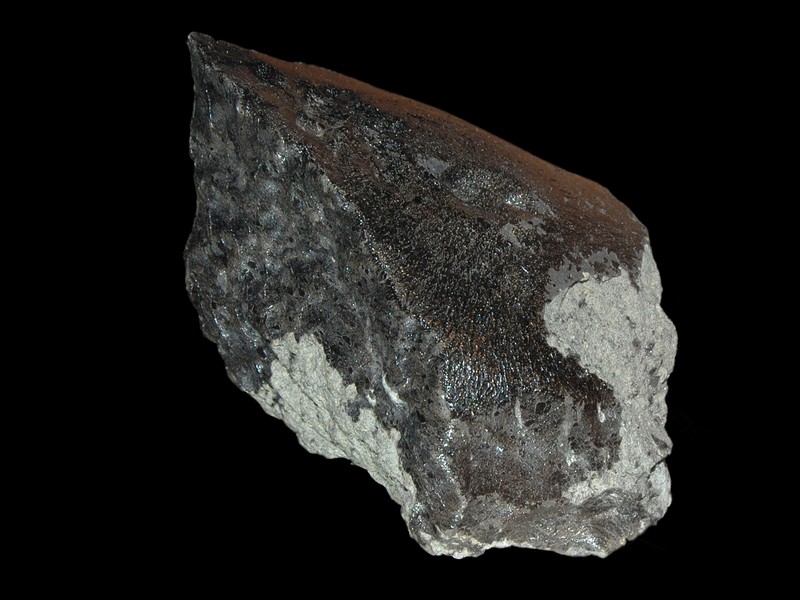
Météorite de Tissint
La météorite de Tissint est une météorite martienne de type shergottite tombée à Tissint au Maroc dans la province de Tata le 18 juillet 2011. Elle a été retrouvée par des n
Savoir plus...
Asile sanitaire : Michel Tarrier "comprend" et "partage" la fierté des Marocains
Asile sanitaire : Michel Tarrier "comprend" et "partage" la fierté des Marocains Philosophe et naturaliste français, amoureux du Maroc où il séjourne depuis plus de 30 ans, Michel Tarri
Savoir plus...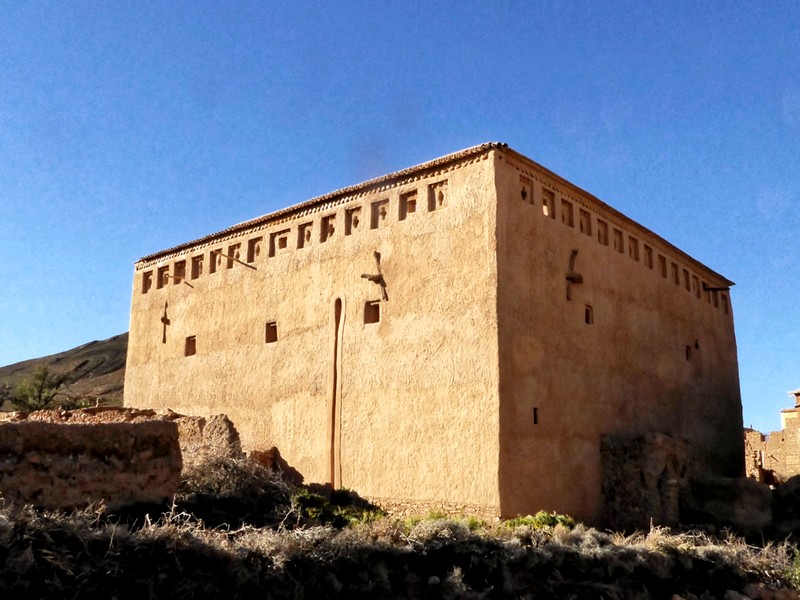
Anti-Atlas : le douar d'Aït-Kin
Anti-Atlas : le douar d'Aït-Kin Aït Kin Le site d’Aït Kin, à 40 km au nord de Tata est un exemple exceptionnel de préservation du patrimoine culturel berbère sauvé par l’a
Savoir plus...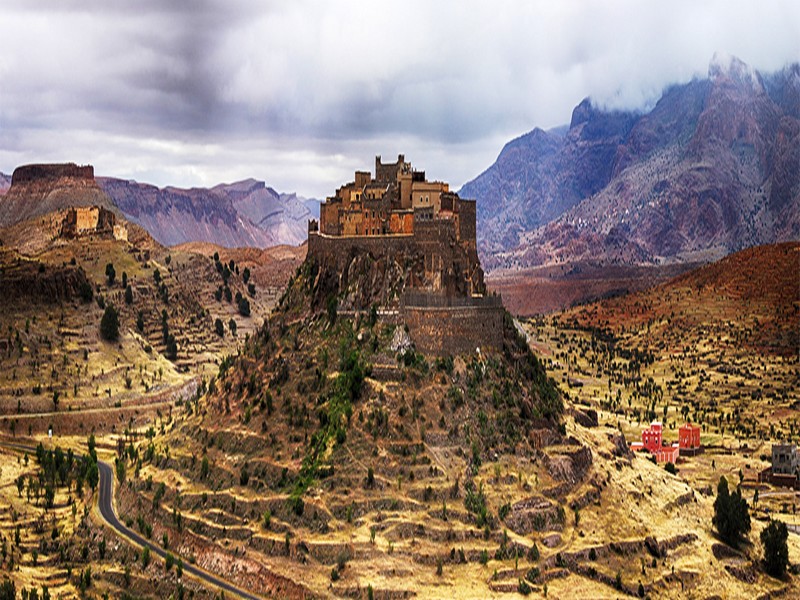
Anti-Atlas (Géoparc Jbel Bani)
Anti-Atlas (Géoparc Jbel Bani) À propos d’Anti-Atlas Montagnes rocheuses, aux couleurs diverses, comme jetées, là, au hasard; Paysages rudes; désertiques où ne se rencontrent que que
Savoir plus...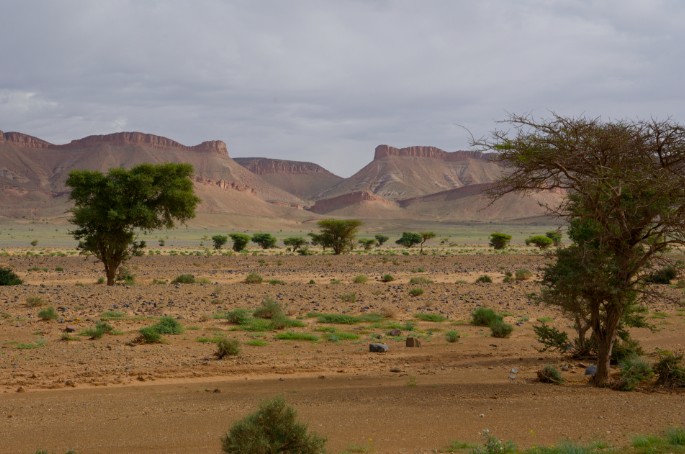
Voyage geologique au Maroc : dinosaures de l’Atlas, fossiles de l’Anti-Atlas et dunes du Sahara
Voyage geologique au Maroc : dinosaures de l’Atlas, fossiles de l’Anti-Atlas et dunes du Sahara Ce circuit itinérant de 15 jours, prévu en novembre 2026, propose une immersion unique à travers les plu
Savoir plus...Les tags en relation
En savoir plus sur " Désert et Anti Atlas "
Consulter les vidéos de " Désert et Anti Atlas " Consulter les photos de " Désert et Anti Atlas " Consulter les publications de " Désert et Anti Atlas " Consulter les éditions de " Désert et Anti Atlas " Consulter les communications de " Désert et Anti Atlas "Recherche du site
Recherche avancée / Spécifique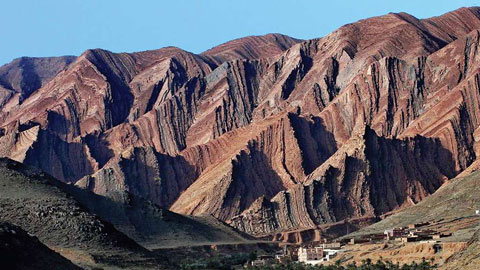
Géoparc et Recherche Scientifique
Le coins de l’étudiant


Blog Géoparc Jbel Bani
Dictionnaire scientifique
Plus de 123.000 mots scientifiques
Les publications
Géo parc Jbel Bani
Circuits & excursions touristiques
cartothéques
Photothéques
Publications & éditions